Podcast · Episode 01
Your next colleague will be AI
A conversation with Tadashi Takaoka about Yunt: bringing a digital collaborator into a company, working within existing systems and keeping people in charge.
- Format
- Video podcast
- Published
About the episode
Office backlogs used to be visible in the folders piled on a desk. Today, they show up in open browser tabs. Someone receives an email, finds a document, checks the ERP, updates a spreadsheet and writes back. The systems are digital. Connecting them still takes people's time.
That was one of the ideas Tadashi Takaoka and I discussed in our podcast about Yunt. Over almost forty minutes, we explored how we came to build digital collaborators and the questions that arise when AI takes on a role inside a company: what it can do, who supervises it and how its work can be reviewed.
Watch the full conversation with Tadashi Takaoka and Rodrigo Medina on YouTube, in Spanish.
How we arrived at the digital collaborator
Yunt grew out of a team's work. In the episode, I explain how we brought together professionals from different countries and disciplines, from software development to cybersecurity and data architecture. Our projects at MC Tech Studio also gave us room to experiment: solving a client's problem while learning which technologies could take the solution further.
Working with medium-sized companies, we kept encountering the same difficulty. Much of the knowledge needed to run the business lived in people's heads. Written procedures did not fully capture the exceptions or the decisions an experienced person made every day.
We began using the role as our starting point. What work does this person own? What information do they need? Who do they coordinate with, and when must they seek approval? Defining those responsibilities allowed us to build a digital collaborator within the company's existing structure. We discuss this from 8:22.
Working within the company's systems
A Yunt takes on a specific role. Its scope depends on the organization: it may handle a sequence of tasks or the portion assigned to an assistant, with the approvals and escalations that the role requires.
This means working where the information already lives. Email, the ERP and internal communication channels are part of an operation the company has spent years building. Adapting to it requires understanding how each system is used and how work moves between people.
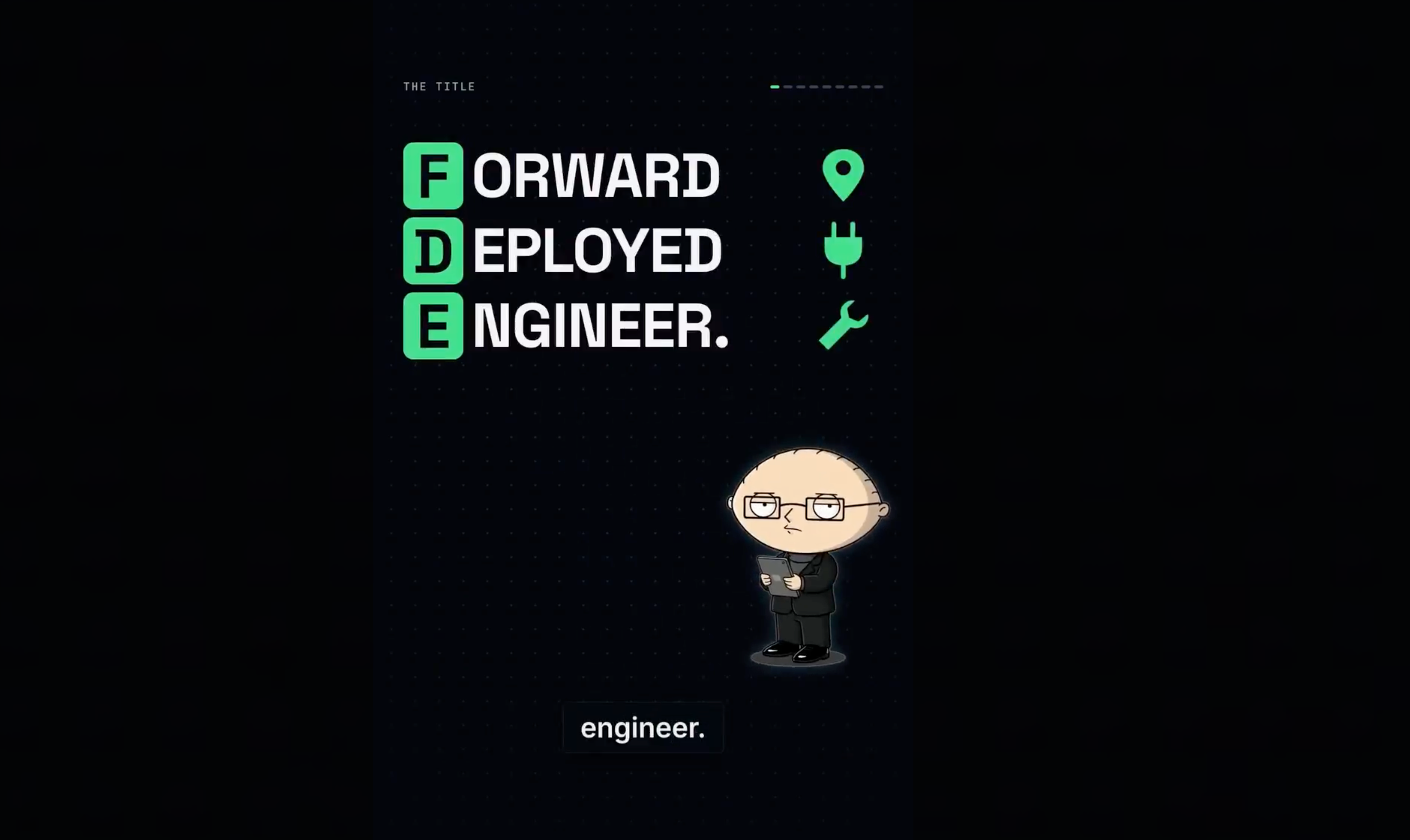
That is why we also discuss the engineers who implement Yunt. Their job is to understand that environment, connect the collaborator to its systems and resolve the details that emerge in use. A model's capabilities need that implementation work to become capabilities the company can actually use.
A concrete example in insurance
In the episode, we describe a case at an insurance brokerage. After an accident, someone has to receive the initial information, request missing documents and check them to prepare the claim file. Each exchange takes time and requires keeping track of the case.
A digital collaborator can take on that administrative work within the scope agreed with the brokerage. We describe specific checks, such as reviewing whether a driver's license is still valid and confirming that the required documents are present.
Tadashi raises the effect on response times. I add what this can change for the team: having time to call the policyholder, find out whether their replacement car arrived and attend to what they need. That is the opportunity to put human experience into a more valuable service. The example begins at 18:39.
A human manager and a glass box
We also discuss errors. A convincing answer can contain incorrect information. To bring AI into an operation, a company needs ways to review what it did and decide what to do with the result.
At Yunt, the collaborator has a human manager. That person's experience provides judgment and oversight. We support that supervision with what we call a glass box: an interface for reviewing the sources and recorded steps behind a result.
Tadashi points out that this traceability serves the person working with the collaborator, their manager and those responsible for auditing the work. It allows them to return to the evidence and examine where an error occurred. Accountability still requires people to review and decide. This discussion starts at 24:00.
Start with the work that is piling up
Towards the end, Tadashi asks how to get started. The first step is to identify where work is piling up and which role needs support. From that conversation, we map the responsibilities, locate the information and work through the integrations. Then come tests with real cases and preparation for the team that will work with the collaborator.
Bringing in a Yunt also means deciding how to use the time it frees up and who will be responsible for supervising it. Technology creates that possibility; the company has to turn it into a better way of working.
If you recognize that bottleneck in your organization, tell the Yunt on our website about it. Let's start with the role that needs help.