
Forward deployed engineers: the engineers who stay
OpenAI and Anthropic founded forward deployed engineering firms for large corporations. Yunt does the same for mid-sized companies: we go in, make it work in your systems, and stay.
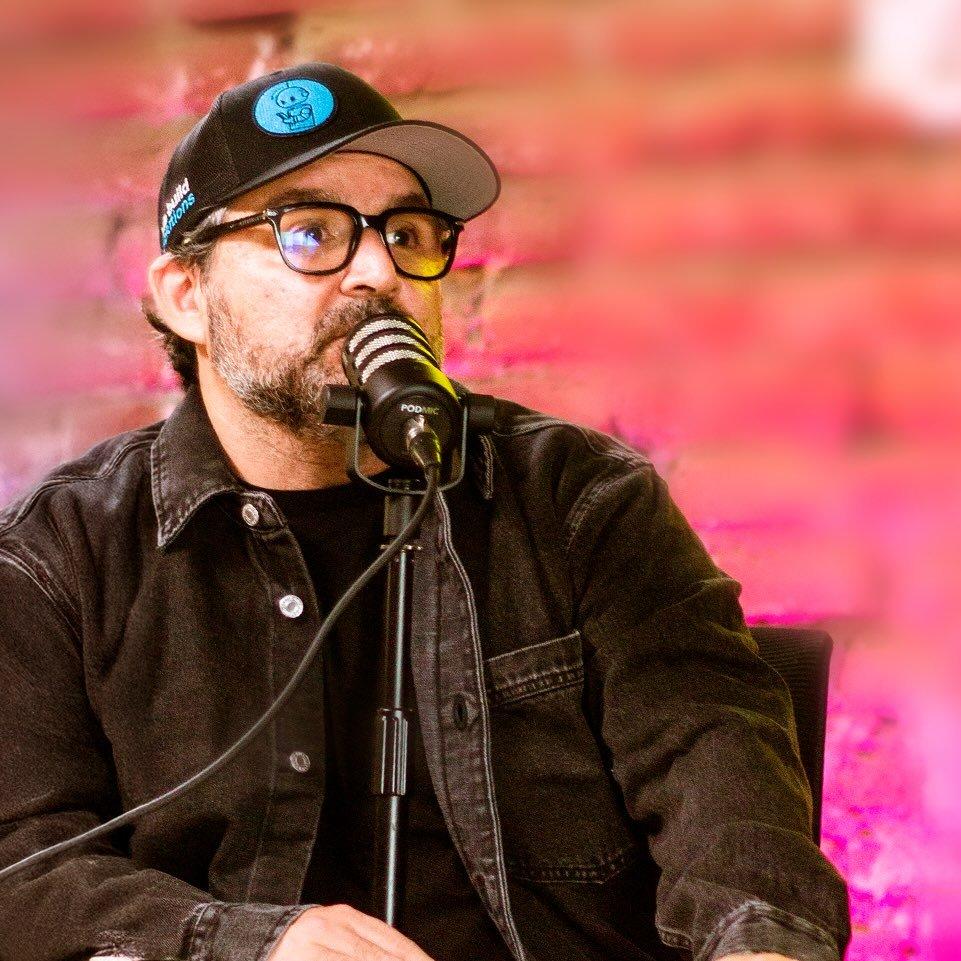 Rodrigo MedinaFounder & CEO
The problem
Almost every company already has artificial intelligence. They have ChatGPT, they have Copilot in Office, they have Gemini in their email. What they don't have is artificial intelligence working: classifying their invoices, building their case files, answering with their numbers. The technology has been bought. It has not been implemented.
It is not for lack of will or budget. It is that the model, however brilliant, knows nothing about your company. It doesn't know how a purchase order gets built there, which documents your insurance broker requires for a claim, which spreadsheet each figure of your income statement comes from. For it to know, someone has to sit inside: understand how the work gets done, connect the model to the systems where that work lives, test it with real cases and correct it until it works. The LLM doesn't do that job. A person with technical knowledge and time does it. And that person is the one companies don't have.
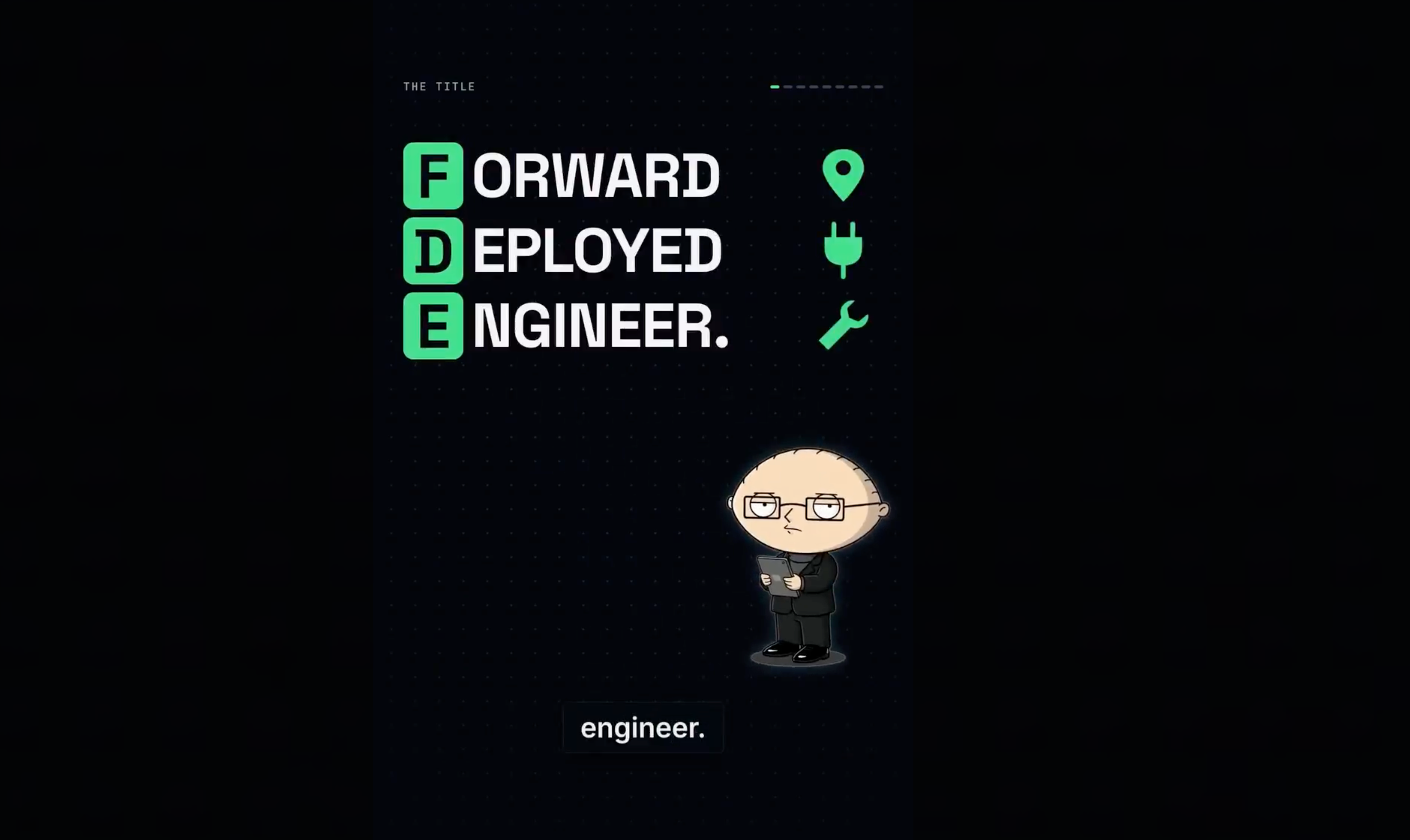
The solution has a name: forward deployed engineer
In the software industry that bottleneck was solved years ago with a role Palantir made famous: the forward deployed engineer. The idea is simple. Instead of selling the software and hoping the customer makes it work, the vendor sends its own engineers to work inside the customer's company. They sit with the people doing the job. They understand the process. They connect the technology to the real systems, test it with real data and adjust it until it runs. The engineer is not in the vendor's office: they are deployed forward, in the customer's. Hence the name. These days this kind of engineer is the rockstar of the ecosystem.
It is the difference between buying a machine and buying the machine with the mechanic who installs it, calibrates it and leaves it running on your floor.
OpenAI and Anthropic just bought that solution, for the big ones
This year the two largest AI labs in the world adopted the role, with billions. In May OpenAI founded the OpenAI Deployment Company: USD 4 billion, 150 forward deployed engineers from day one, partners such as TPG, Bain Capital, Goldman Sachs and McKinsey. In July Anthropic launched Ode with Blackstone and Goldman Sachs: USD 1.5 billion, a hundred engineers. There is only one way to read it: the makers of the brain admit the brain does not implement itself.
But look at who those engineers are going to. OpenAI says its partners "sponsor more than 2,000 businesses around the world": investment funds, banks, global consultancies. Blackstone will use Ode across its own portfolio, the Fortune 1000. A forward deployed engineer from OpenAI costs what a San Francisco engineer costs, and is sold by the project to whoever can pay. None of them is coming to a 200-person mid-sized company. The solution exists. It is reserved for companies with millions to spend.
We do it for the mid-sized company
At MC Tech Studio we have spent four years doing that same job, the going in, for mid-sized companies in Chile. We didn't have an English name for it. We did it because it was the only way artificial intelligence would actually work in a company of 50 or 500 people. The mid-sized company carries the obligations of a large one with the resources of a small one: it cannot hire a team of AI engineers, and nobody with billions is going to send them.
What we learned in those four years is that for a mid-sized company to afford a deployed engineer, you have to change what is sold. You cannot sell engineers by the hour. You have to sell the result, with the engineers included, at a price the company already understands.
The Yunts: we implement them and we stay
We called it Yunt. A Yunt is a digital collaborator: a job in your org chart done by artificial intelligence. It does high-value work, meaning it cannot get things wrong. It is a position you hire, with a job manual, with a boss from your company and with a record of everything it does. And with our forward deployed engineers inside, just like at OpenAI's and Anthropic's new companies, with two differences: the price, and the fact that they don't leave.
This is how we implement it. Our engineers go into your company and sit with the person who does that job best today; from what they know and what they would never do, they write the job manual, which is yours. They make it work in your systems, not on a new platform: your ERP, your email, your WhatsApp. Before it touches anything it takes an exam with real cases; if it fails, it doesn't start. When it starts, one of your people is its boss and signs whatever carries weight. With the information ready, it is working in less than a month.
And then we stay. At the deployment companies the engineer finishes the project and leaves. Here the engineer remains part of what you hired. Every correction from the boss becomes a new rule. If your process changes, we change it. If a better model comes out, we switch it without you noticing. If something fails, we answer. And every month, before the invoice, the collaborator itself sends its boss a report of what it did, with the numbers from its own record.
All of that costs what a salary costs. One job per month, paid the way you pay a person, engineers included.
That is the whole story. Artificial intelligence does not implement itself: it takes an engineer inside the company. OpenAI and Anthropic just confirmed it with USD 5.5 billion, and they will do it for the companies that can pay for engineers by the project. For the mid-sized company, Yunt does it, with a job you hire and forward deployed engineers who don't leave.
Rodrigo Medina is the founder of MC Tech Studio and Yunt.