 White paper
A New Architecture for Risk Management in the Digital Age
From Periodic Reporting to Continuous Monitoring: A New Architecture for Risk Management in the Digital Age
By Daniel InsulzaAbogado & Consultor Senior
Read the white paper
Special application · dynamic risk matrix
Continuous risk monitoring, performed by a digital collaborator.
The eight categories it keeps alive
Rolled out in phases, by criticality.
The 2026 context
Nothing here is a forecast: it is what the sector is already documenting.
A.
Automated, complex attacks that spread across areas and critical third parties.
B.
New vectors in autonomous agents and non-human identities.
C.
Technology incidents that turn into multi-sector disruptions.
D.
It limits early detection, prioritization and timely escalation.
In line with what WEF, IBM, KPMG, CISA and ENISA document.
The white paper
Everything this page summarizes is developed at length here: why periodic reporting stopped being enough, and what architecture replaces it.
White paperFrom Periodic Reporting to Continuous Monitoring: A New Architecture for Risk Management in the Digital Age
The proposal, in one sentence
A dashboard is a tool: someone has to feed it, prioritize it and explain it. A digital collaborator practices the craft: it monitors the sources, updates the matrix, prioritizes the alerts, escalates what belongs upstairs and prepares the report — every day, inside your systems.
And if the company wants to see that information as a dashboard, it can: the dashboard becomes a view of its work, not the product.
The role, concrete
Four jobs it owns end to end, the same way a person in the seat would.
01/04
02/04
03/04
04/04
The engineering behind it
What comes in
Internal sources
SIEM · IAM · GRC · BCP · TPRM
External sources
CISA · ENISA · WEF · regulatory
The role's manual
KRIs · thresholds · governance
The Risk Specialist
digital collaborator · governed by its manual
continuous cycle
What comes out
A living risk matrix
8 categories · continuous status
Escalated alerts
to the owner, with the rule quoted
Executive report
Committee and Board · with a human signature
Glassbox
An auditable record of every analysis and every decision. Everything it does is on record.
Built to measure
The sources above are examples, not a package: the role is built around your systems, your thresholds and your report format. And the real scope is set by what the organization can actually deliver — it integrates the data it is genuinely given access to, not the data it is assumed to have.
That is why deployment starts with 1 or 2 critical modules and grows as the sources open up. What cannot be connected yet is declared as a gap, not filled in.
How it works with people
Upward
The specialist has a human boss (the CISO, the risk manager, whoever is named): it reports to them, asks for approval and answers to them. The question “who owns this data?” has a one-line answer.
Sideways
It asks security, operations and suppliers for evidence; it delivers findings with context; and the corrections it receives stay installed as rules, for good.
Its criteria
Tolerance thresholds, escalation rules, report format: written, versioned and auditable. Changing the criteria is editing one line, not retraining anything.
Human signature
The specialist detects, analyzes and proposes. Escalating a crisis, briefing the Board or closing a risk carries a human signature.
Nothing is invented: a figure without a source is declared missing, not filled in.
If an alert turns out to be misclassified, the correction is written into the manual — and it does not happen twice.
The deliverable
Same structure every Monday, so the Committee reads it without a preamble.
Prepared by: The Risk Specialist · Pending review: Risk Management
Monday 08:00
distribution: Executive Committee
Illustrative view, sample data
78 12%
Global risk index
8
Critical alerts
3 of 45
CCM controls failing
6h / 21h
MTTD / MTTR
| Risk | Category | Prob. | Impact | Trend | Rule that escalated it |
|---|---|---|---|---|---|
| Compromise of AI agents | AI | High | Critical | threshold: 2 CCM controls failing | |
| Unauthenticated vulnerabilities | Cybersecurity | High | Critical | CISA alert + exposed asset | |
| Critical third-party exposure | Third parties | Medium | High | incident reported at a T1 supplier |
Compromise of AI agents
AI · Prob. High · Impact Critical
threshold: 2 CCM controls failing
Unauthenticated vulnerabilities
Cybersecurity · Prob. High · Impact Critical
CISA alert + exposed asset
Critical third-party exposure
Third parties · Prob. Medium · Impact High
incident reported at a T1 supplier
The area team
Corporate governance, consulting, cyber security and data engineering. The digital collaborator practices the craft — these are the people who know it.
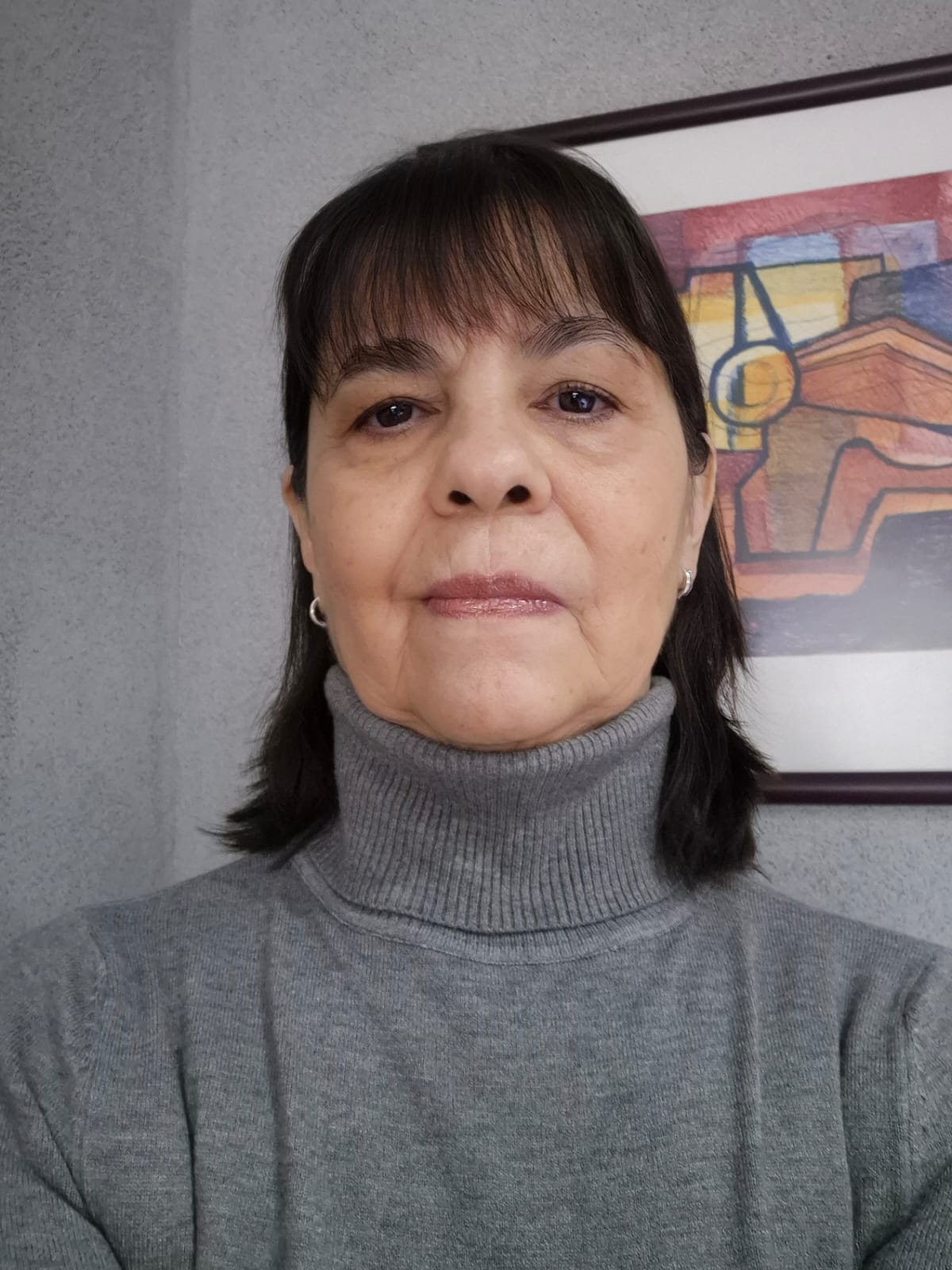
Area Director
Corporate Governance Partner
PhD in Economics | ex-Economic Affairs Officer, United Nations (UN)
The specialist reports to the area director. Behind it, the team that engineers it, secures it and audits its criteria.
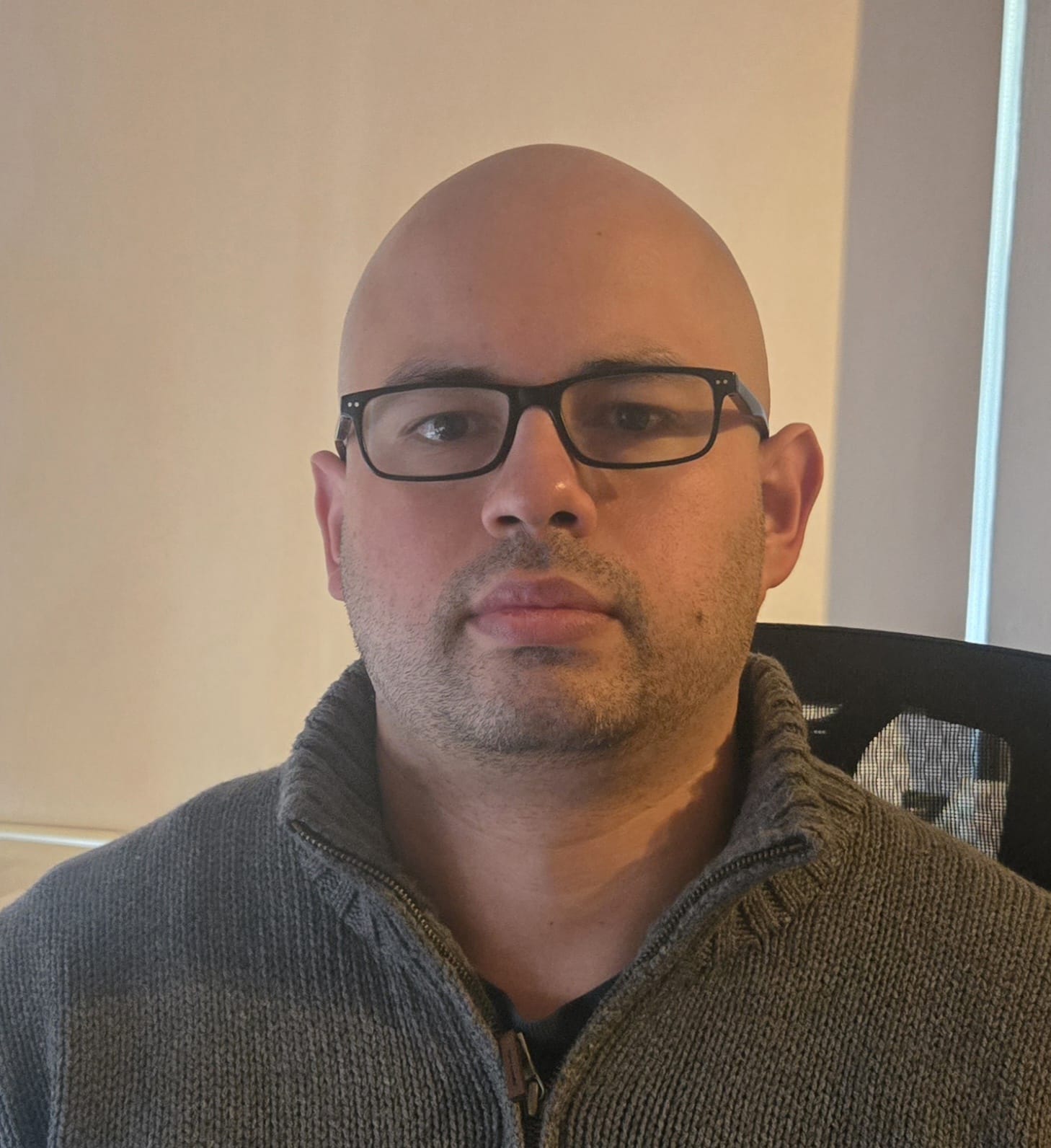
Daniel Insulza
Senior Consultant
Attorney, Colorado USA | MSc Innovation Management and Entrepreneurship | ex-consultant on competitiveness and innovation at the IDB
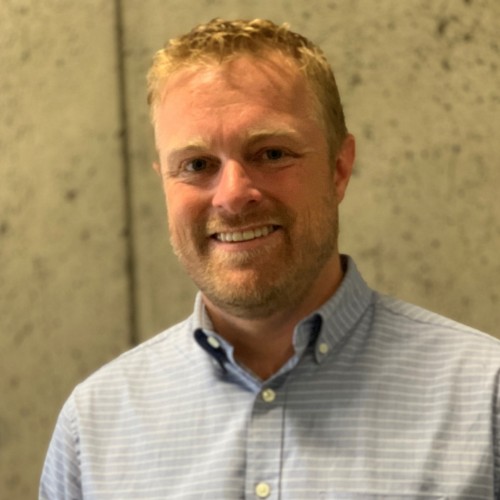
Cristopher Lovold
CTO
MSc Information Systems, London School of Economics | Founder Elina PMS | Web Dev Northrop Grumman, Pentagon USA

Salman Tariq
Data Software Engineer / cofounder
Data Science Software Engineer | Masters, Data and Information Science, TH Köln
Eduardo Zamorano
Sr. Cyber Security Engineer
Ethical Hacker | ex-Head of IT, Comisión Nacional de Valores | Cyber Security Sr. Engineer at Mercado Libre and Falabella
What they write
Risk and corporate governance, signed by the same people who answer for the role — not by the marketing team.

A model of continuous risk sensing and graduated crisis activation, with clear thresholds and learning to build resilience without maintaining a permanent state of emergency.
 Daniel Insulza · Abogado & Consultor Senior
The Role of Corporate Governance in the Company’s Digital Strategy and Security
 Georgina Nuñez · Doctorado en Economía | Partner Estratégico Gobierno Corporativo @Yunt
From Periodic Reporting to Continuous Monitoring: A New Architecture for Risk Management in the Digital Age
Daniel Insulza · Abogado & Consultor Senior