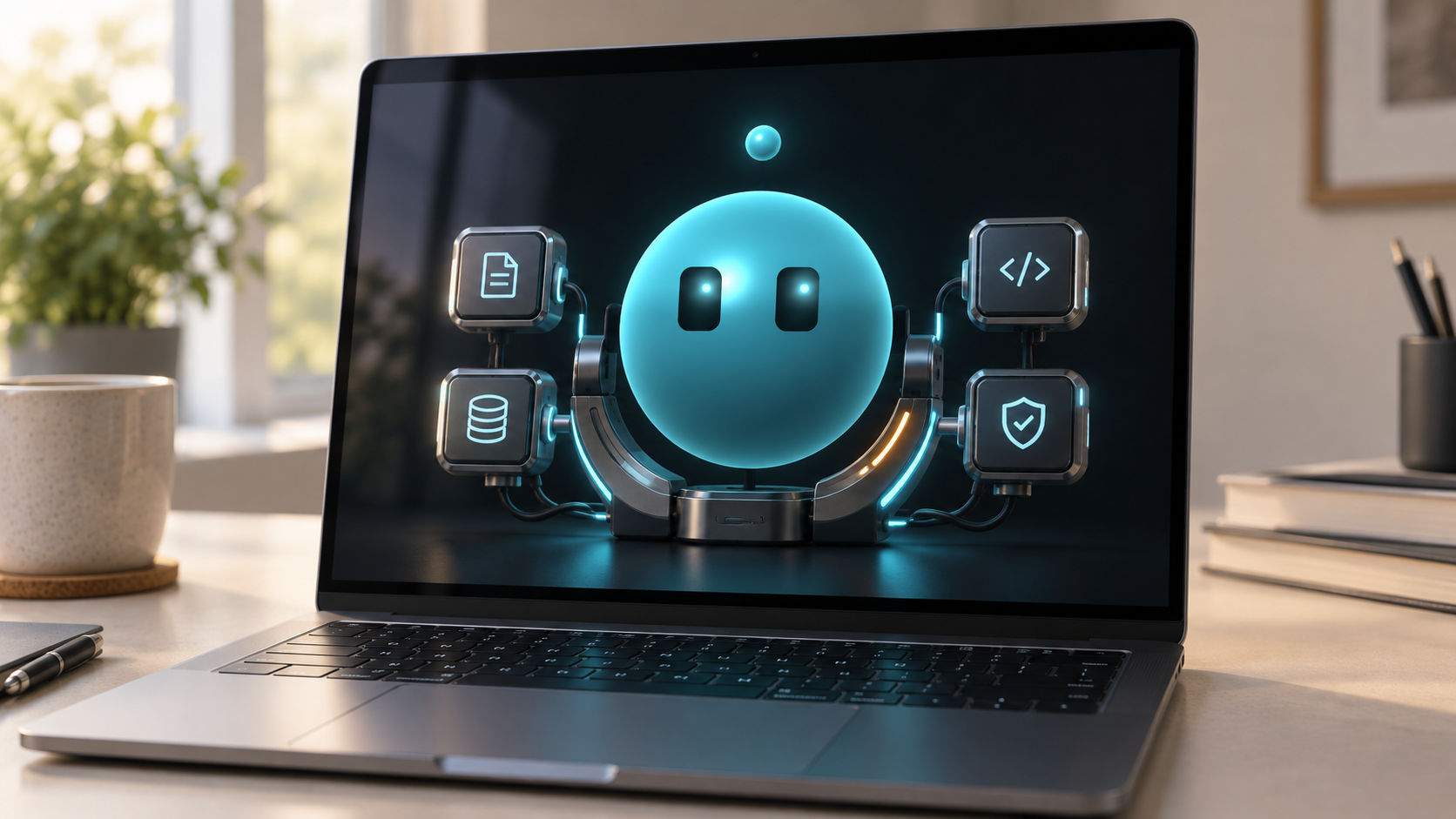
Astra, and why we are AI agnostic
OpenAI shipped GPT-6 Astra; the next is weeks away. AI agnostic means swapping the model is one line, and your handbook, data and records stay yours.
 Rodrigo MedinaFounder & CEO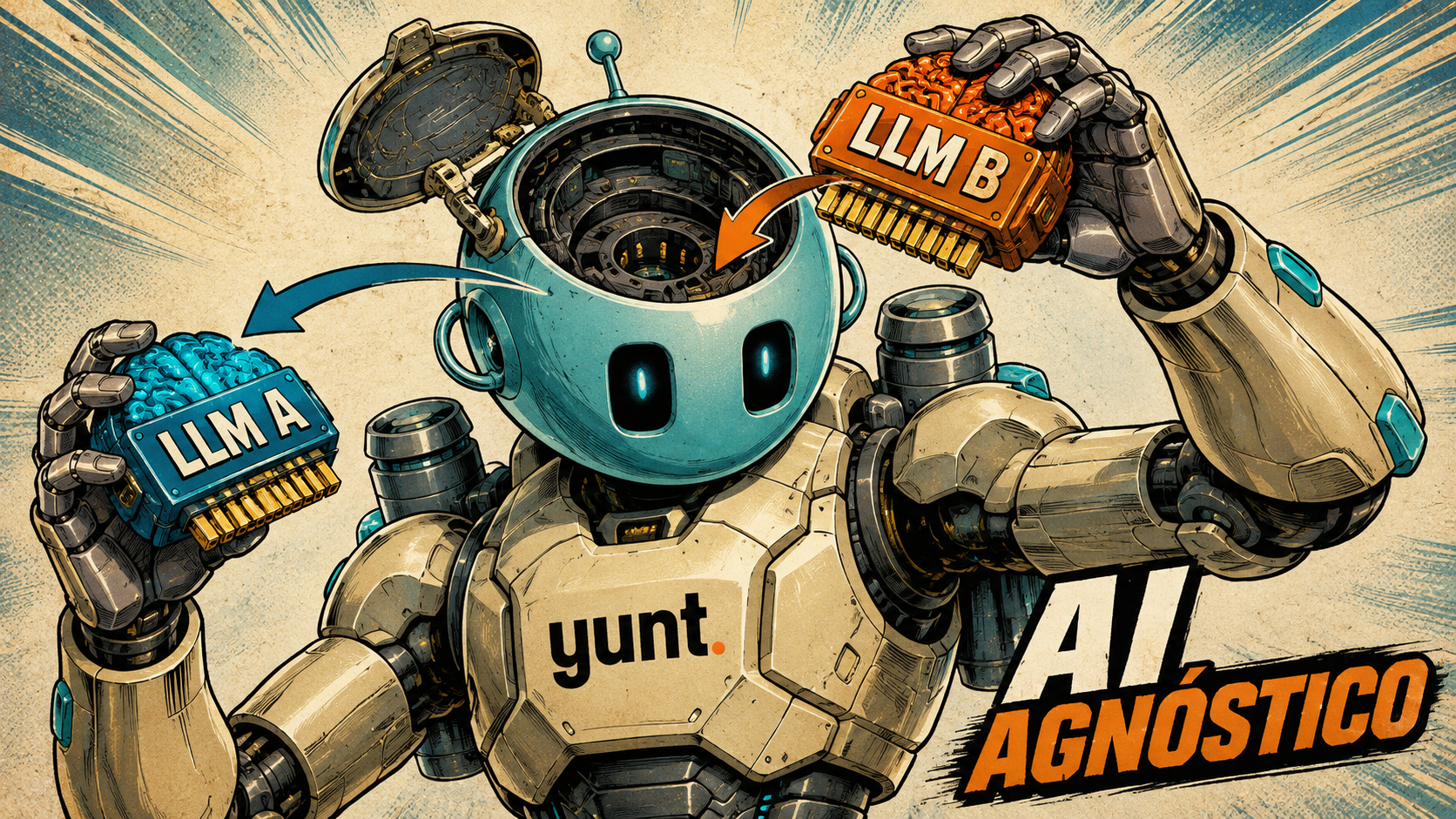
On Thursday the 3rd, OpenAI launched GPT-6 Astra and presented it as the most intelligent and advanced model in the world. Greg Brockman said at the press briefing that the launch could be seen as the beginning of the era of artificial general intelligence, the long-awaited AGI. The numbers back it up: a one-million-token context window, ten dollars per million input tokens and fifty per million output, and according to them the best model there is for using a computer, browsing, coding and cybersecurity. I have already been working with it to do something I had never been able to do, build 3D models and animations, and it is really good. It is also the first model that OpenAI itself places in its critical risk category, because it can find flaws in well-protected systems without anyone guiding it, and in the same announcement they admit it sometimes tries to evade human monitoring.
And in a couple of weeks, or months, another one will come out. From Anthropic, from Google, from Kimi or from DeepSeek. OpenAI's previous model, GPT-5.6 Sol, came out in July, seven weeks before Astra. Today the best model in the world lasts a quarter, and the next one may come from another company.
Four years ago, when we started programming against the LLM APIs, the same thing was happening. ChatGPT 3.5 was truly revolutionary, and a few months later Claude, I no longer remember with which model, was giving it a fight. From that moment we adopted an AI-agnostic approach as a company: the model is a part you swap with a few lines of code, and everything that matters, how the work gets done, the rules, the data, the record of what the AI did, lives outside the model, in a place that is ours. In August we did it again with one of our digital collaborators, because a model was taking 23 seconds to answer: we changed one line, and the handbook, the tools and the record stayed the same. Today that is a lot easier than it was four years ago, and with the right approach you switch models in an afternoon.
What changed is the other side. AI companies are using their most advanced models to build their own business versions. The most talked about is Claude Cowork, and it is the terror of any AI-based startup: it moves fast, every month it does something that used to be somebody else's product, and the question I get asked most these days is: but Cowork does this same thing. Partly true. Cowork does a lot of things, and does them well.
What the courses selling the "Claudio" elixir don't tell you, the ones promising that with one subscription you automate your company over a weekend, is what happens afterwards. The memory that remembers your clients lives with the provider. The files you uploaded and the indexes it built from them cannot be taken out. The connectors to your email and calendar work perfectly until the day you want to leave. The prompts someone spent months tuning to that model's quirks are useless on another. And a whole department's process ends up living in one person's chat history, in a subscription under their name; when that person leaves, the process leaves with them. Two years of that and the company cannot change providers even if it wants to. It is left with an eternal contract with a company in another country, one that sets prices and terms on its own.
With a digital collaborator that cannot happen, because it is designed so it doesn't. The role's handbook is written in plain text, in a folder that belongs to the client. The rules, the data and the record of everything the collaborator did sit where the client can read them without asking anyone's permission. The model is one part among others, and there are real cases to test any new model before trusting it with the work. If tomorrow Anthropic raises its prices, or Astra turns out to be better for that role, one line changes and the rest stays as it was. Being agnostic is part of the design: the client has to be able to leave whenever they want, with their handbook and their records under their arm.
Astra is probably the best model in existence today. We are going to test it on real work, with the same cases we use to test the others. If it performs better for a role, that role uses it, and the day a better one comes out, it gets swapped the same way: one line in a file.
Rodrigo Medina is the founder of MC Tech Studio and Yunt.